Wildfire Readiness for Oregon Homes
Prepare your home before ember season. Roof debris, gutter buildup, damaged siding, weak exterior details, and chimney issues can turn small problems into bigger wildfire risks.
Signature Roof & Chimney helps homeowners identify and improve vulnerable exterior areas before peak summer conditions. We focus on the roofline, gutters, siding, vents, trim, and chimney so you can handle practical fixes before fire season ramps up.
Expert recommendations • Practical next steps • Exterior-focused service
Why Wildfire Readiness Starts at the Top and Outside Edges of the Home
Most homes are not lost because a giant flame front lands directly on the house first. The bigger problem is often wind-driven embers finding debris, gaps, vents, weak siding details, or combustible material near the structure. That is why exterior maintenance and targeted hardening matter so much.
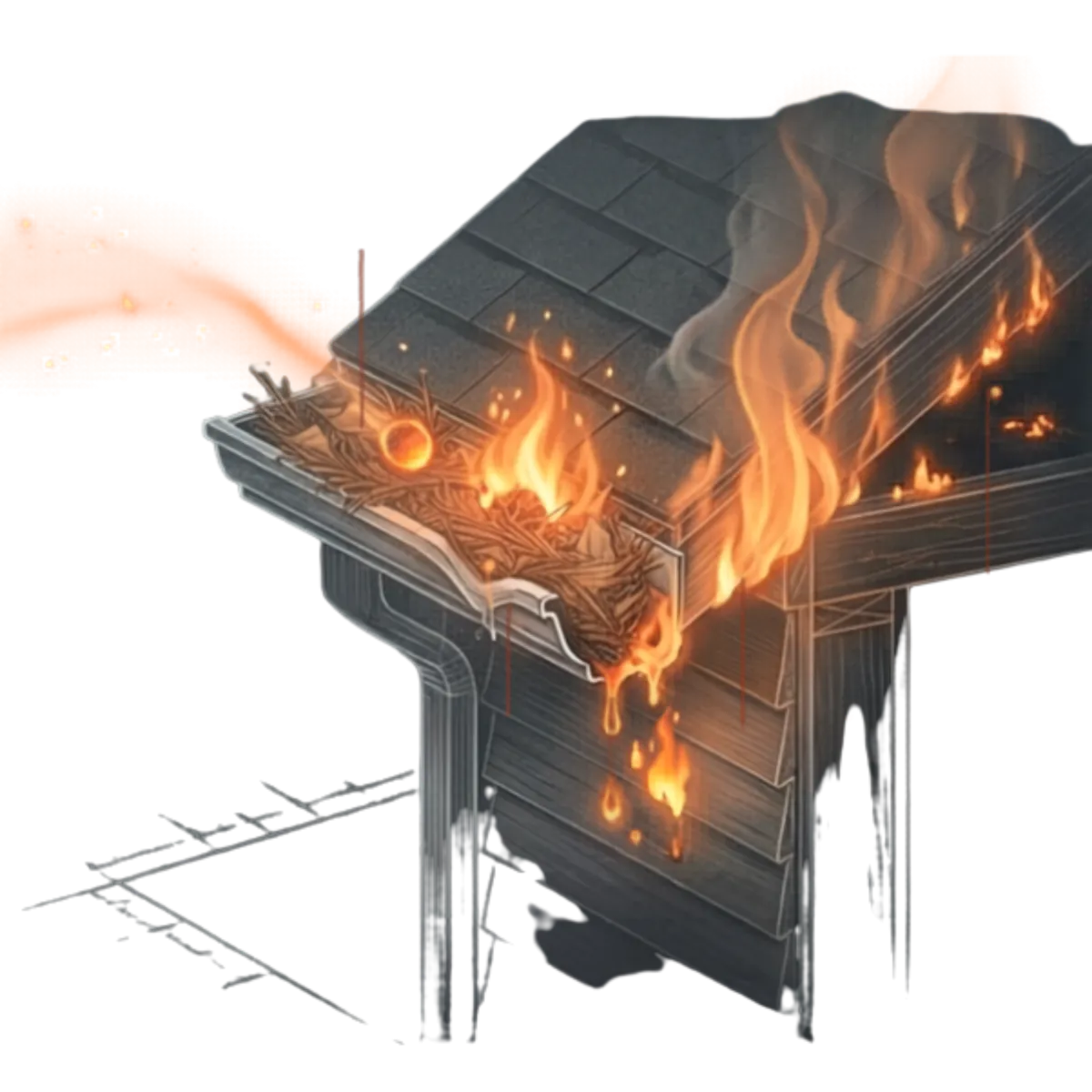
Roofs and Gutters
Leaves, needles, and roof debris create ember fuel in the most exposed part of the home.
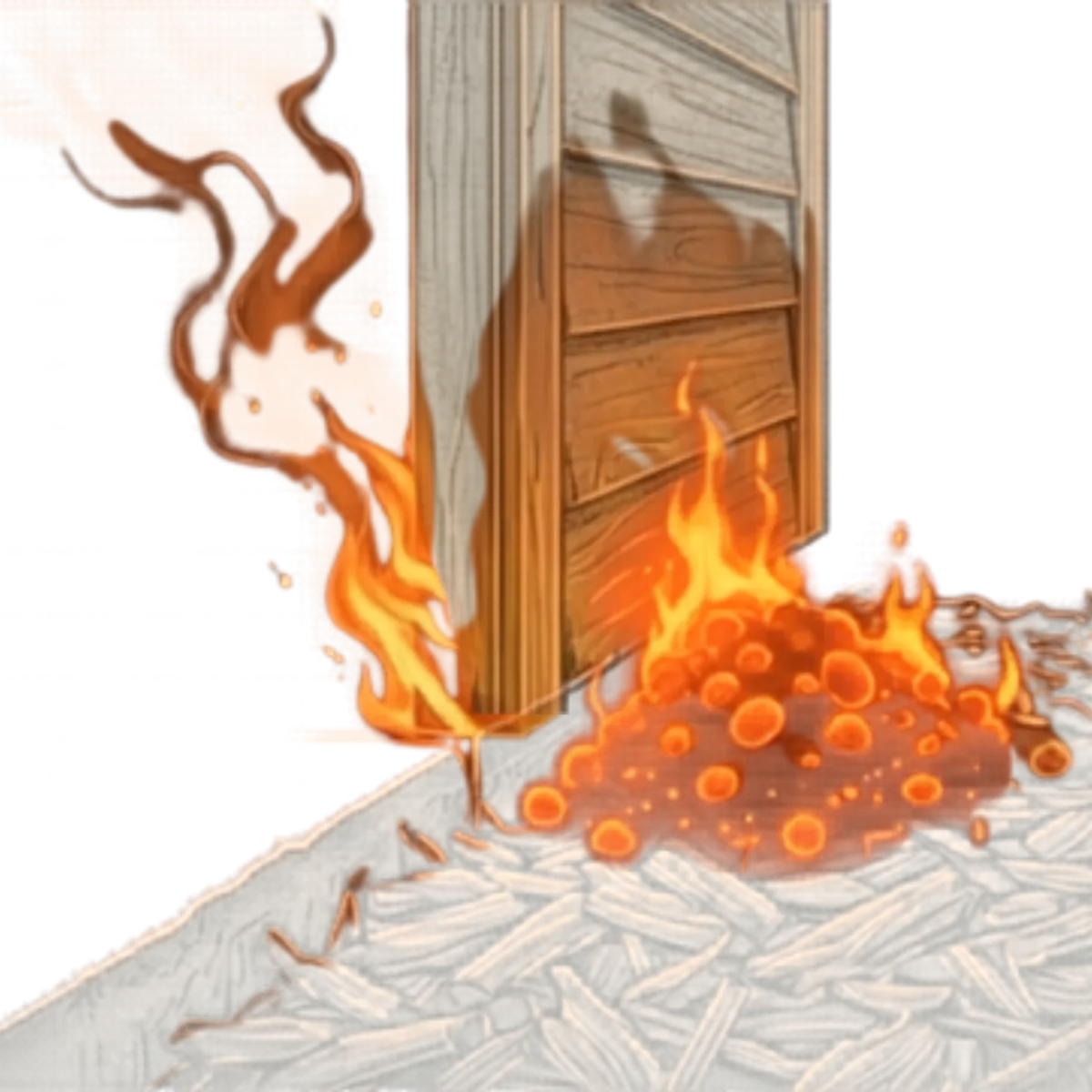
Siding, Vents, and Trim
Openings, gaps, and damaged exterior details can give embers a place to lodge or enter.
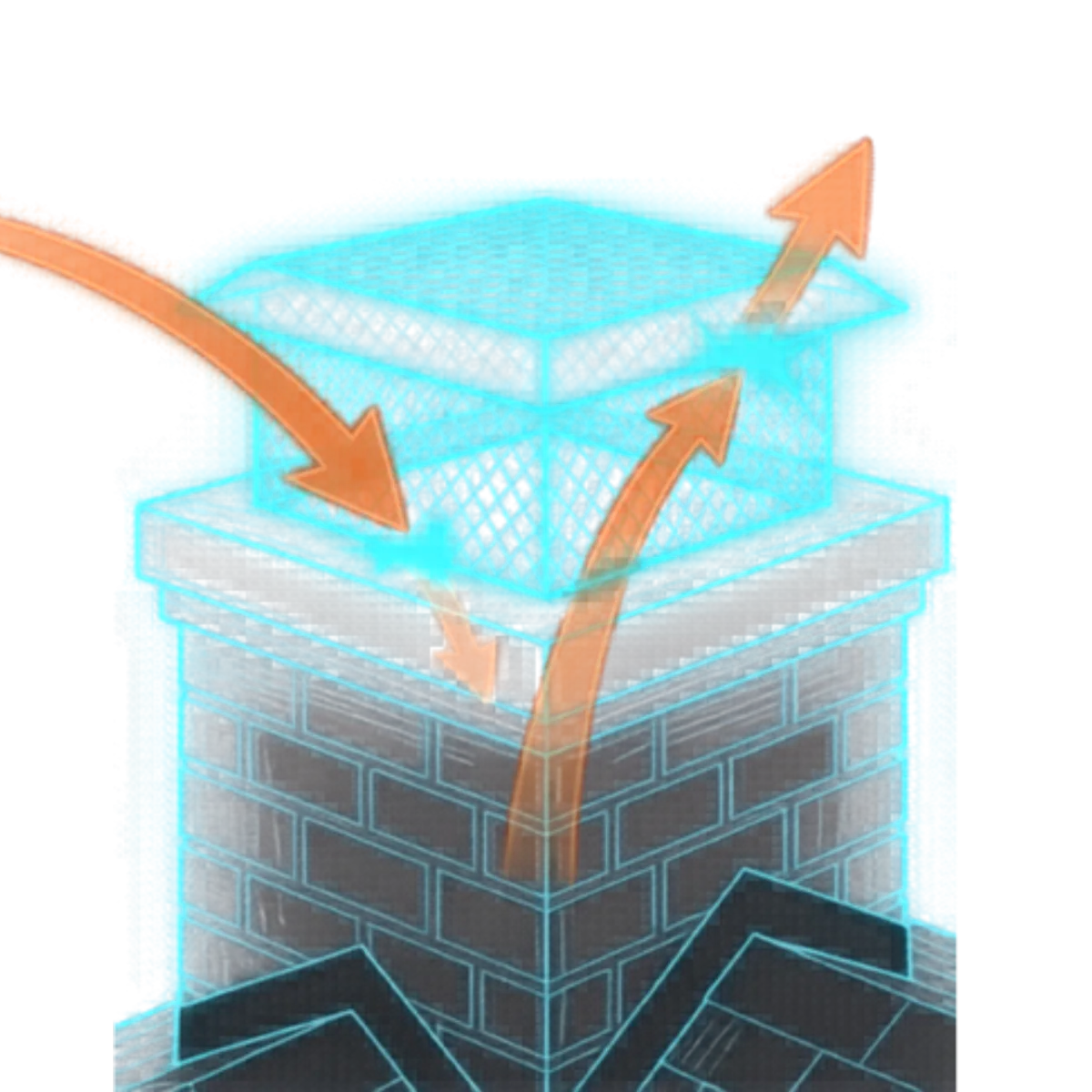
Chimney and Clearance
Spark arrestors, chimney condition, and nearby vegetation all play a role in readiness.
What Signature Roof & Chimney Looks For
Our Wildfire Readiness Exterior Inspection focuses on the parts of the home where embers and small flames are most likely to create trouble. The goal is simple: identify vulnerable exterior details, recommend practical fixes, and help homeowners get ahead of summer.
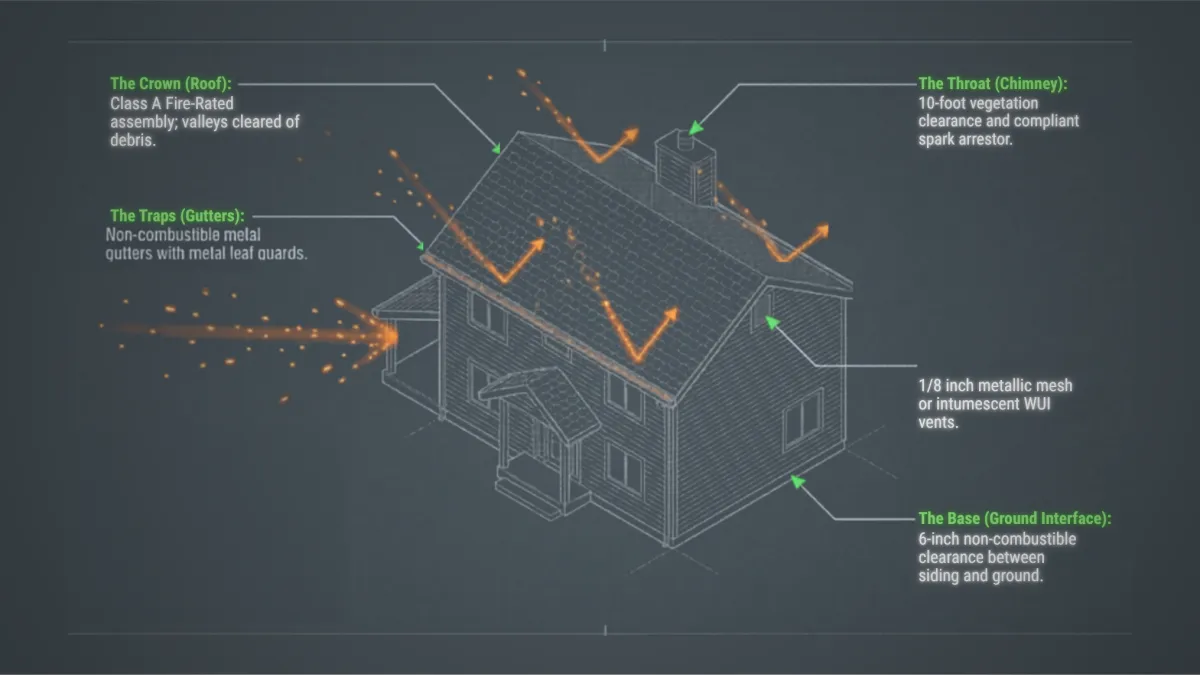
ROOF
Debris, valleys, roof-to-wall intersections, flashing transitions, and damaged shingles.
GUTTERS
Leaf and needle buildup, drainage issues, gutter condition, and metal cover options.
SIDING AND TRIM
Cracks, gaps, deterioration, exposed edges, and siding areas that need repair or upgrade planning.
CHIMNEY
Cap condition, spark arrestor status, visible concerns, and nearby branch clearance.
TIMELINE
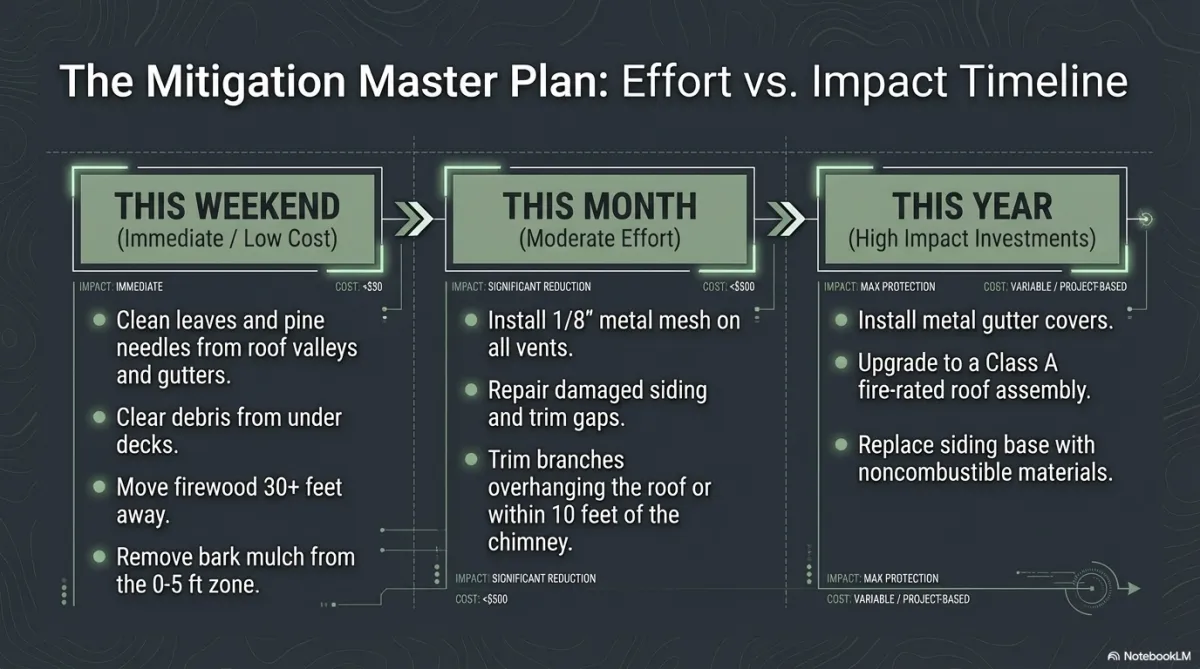
What Homeowners Should Tackle First
What Fire Ratings Actually Mean
Ratings matter, but they do not tell the whole story. Wildfire performance depends on the full exterior system, including debris, vents, gaps, gutters, and installation details.

Roofing
Class A: The best choice for areas at high risk of wildfires. Stand alone Class A is best. Class A by Assembly is only rated Class A if assembled as tested.
Class B: Moderate protection. Better than little protection, but not usually the target in wildfire country.
Class C: Light protection. Usually a sign to look harder at replacement plans and details.
What to ask the contractor
Is this stand-alone Class A or Class A by assembly?
What underlayment and components are required?
How are ridges, eaves, valleys, penetrations, and roof edges detailed?

Siding
Noncombustible siding: The best option. Examples include steel siding and fiber cement.
Ignition-resistant siding: The next best option. Harder to ignite than ordinary combustible siding. Better than standard wood-type materials, but still detail-dependent.
ASTM E84 / flame spread / “Class A” flame spread: Useful, but over-read. This is a surface-burning test. It is not the same as “wildfire-proof” or “good in wildfire” by itself.
WUI-compliant or Chapter 7A-compliant: Better wildfire specific language. These are much more wildfire-relevant than generic flame-spread labels.
What to ask the contractor
Is this material noncombustible, ignition-resistant, or just ASTM E84?
What happens at the bottom edge, joints, trim, penetrations, and fence/deck connections?
Is there a tested wall assembly, not just a product claim?
Chimney
Chimneys usually are not described with the same A/B/C roof rating language.
What matters more is whether the chimney has the right spark-control hardware and whether the full system has the proper listing.
Best language to look for:
Spark arrestor
Stainless chimney cap
Proper mesh size
UL-listed chimney system for full rebuilds or new systems
What to ask the contractor
Does it have a spark arrestor?
What is the mesh size, and does it meet local code?
Is the cap stainless steel?
If this is a new system or major rebuild, what is the UL listing?
risk
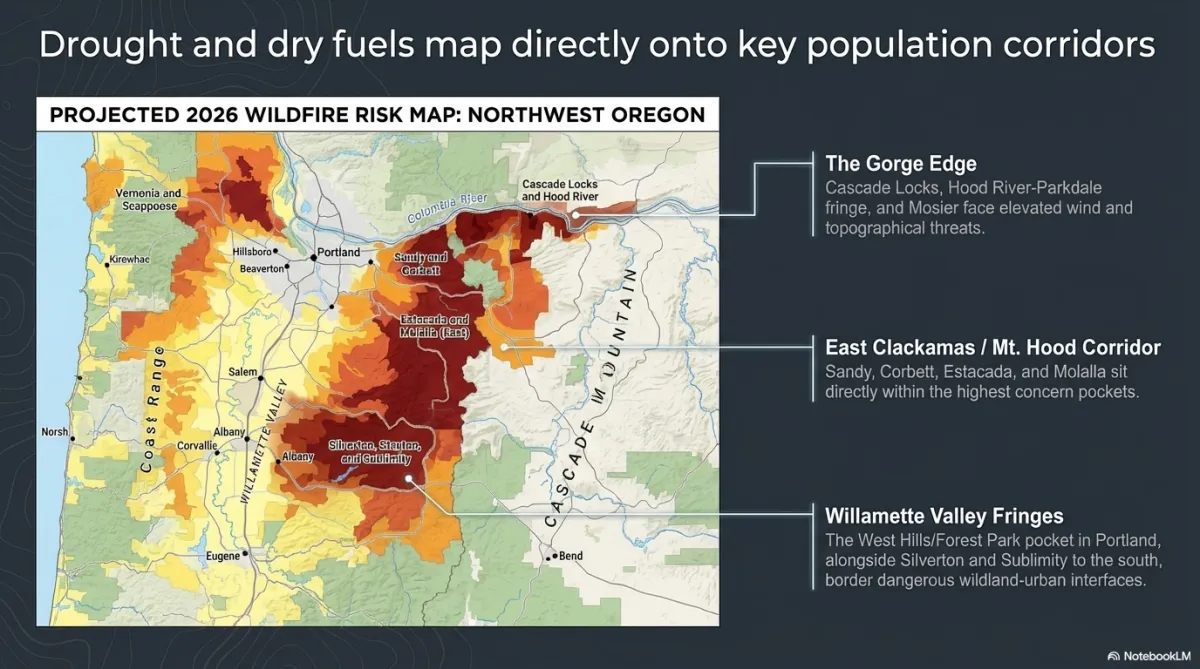
Higher-Risk Wildfire Areas in NW Oregon
Wildfire risk is not the same across Northwest Oregon. Some areas face more pressure because of a mix of dry fuels, wind exposure, terrain, and proximity to wildland-urban interface conditions. The biggest concern pockets highlighted in the blueprint include the Gorge edge, the East Clackamas / Mt. Hood corridor, and select Willamette Valley communities.
more information
Download Wildfire Readiness Guides
Prepare smarter with practical wildfire-readiness resources from Signature Roof & Chimney. These downloadable guides cover Northwest Oregon wildfire risk, ember-driven home vulnerabilities, and the exterior improvements that matter most before peak season.
2026 Oregon Wildfire Home Defense Guide
A Northwest Oregon-focused guide covering current wildfire pressure, higher-risk corridors, terrain-driven fire behavior, ember exposure, defensible space, and a step-by-step mitigation timeline.
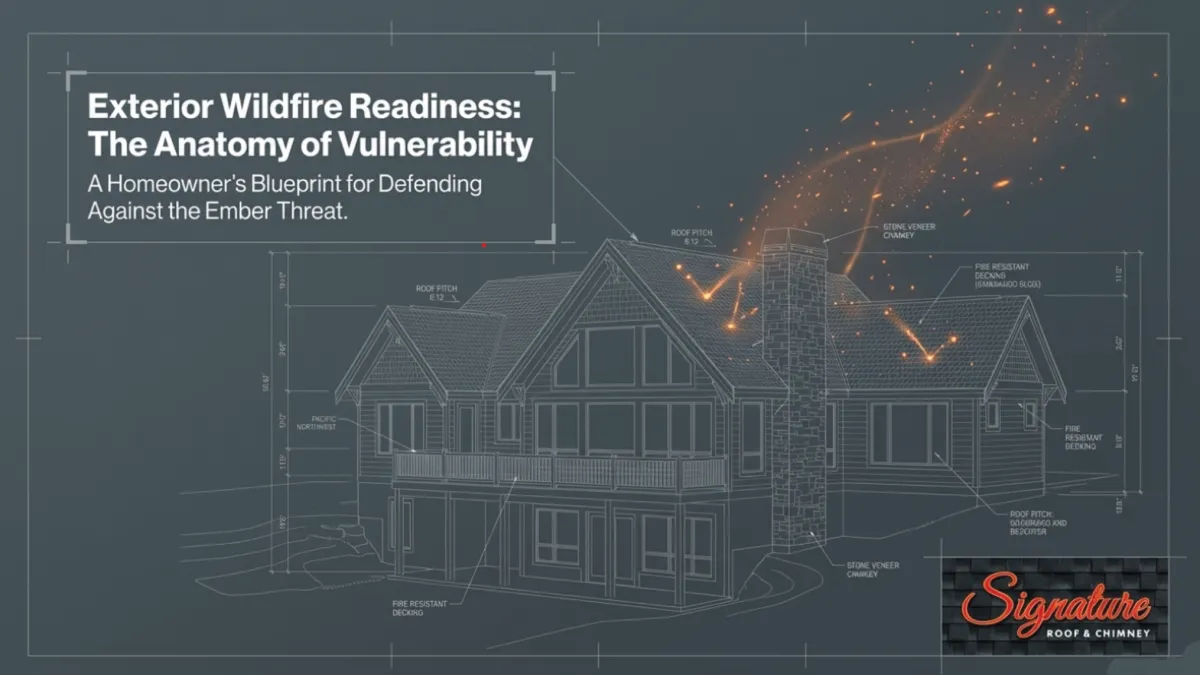
The Ember Defense Blueprint
A homeowner-friendly guide focused on how embers attack the home envelope, including the roof, gutters, vents, siding base, and chimney area.
Frequently Asked Questions
How do homes usually ignite during a wildfire?
Many homes ignite from embers landing in debris, entering openings, or catching vulnerable exterior details, not only from direct contact with a large flame front. That is why roofs, gutters, siding, vents, and chimney details matter so much for preparedness.
Why are the roof and gutters so important for wildfire readiness?
They are some of the most exposed parts of the home. Debris-filled gutters, roof valleys, and vulnerable roof edges can give embers an easy place to start trouble.
Do gutter guards help with wildfire readiness?
They can help reduce debris buildup and improve ember defense, especially when paired with sound metal gutters. The best option depends on the condition of the current gutter system and the type of debris around the home.
What kind of roof is better for wildfire protection?
Class A roofing is generally the strongest baseline. But wildfire performance still depends on the full roof assembly, clean edges, good flashing, and ongoing maintenance.
Can siding repairs improve wildfire readiness?
Yes. Damaged siding, open trim joints, and weak wall details can give embers a place to catch or enter. Repairing those areas can improve readiness, and full replacement may be a chance to upgrade to stronger materials.
Do I need a chimney spark arrestor?
It is an important detail to verify, especially before peak season. Chimney caps and spark arrestors can help reduce ember release and support safer chimney performance.
What should homeowners do first?
Start with roof cleanup, gutter cleanup, quick repairs, and removing obvious exterior combustibles close to the home. Those practical steps are often the fastest way to improve readiness.
Do you offer wildfire readiness inspections?
Yes. Signature Roof & Chimney can inspect the roofline, gutters, siding, trim, and chimney areas and provide practical next-step recommendations based on what the home needs. This page should funnel directly into that service.